
History



The Fairfield Hotel – A Piece of Townsville History
The Fairfield Hotel, built in 1902 by Patrick Downey, was more than just a hotel — it was a vibrant hub for the Oonoonba community. The double-storeyed timber building offered upstairs rooms for seasonal meatworkers, drovers, and inspectors, while downstairs the bars, lounges, and billiard rooms buzzed with life.
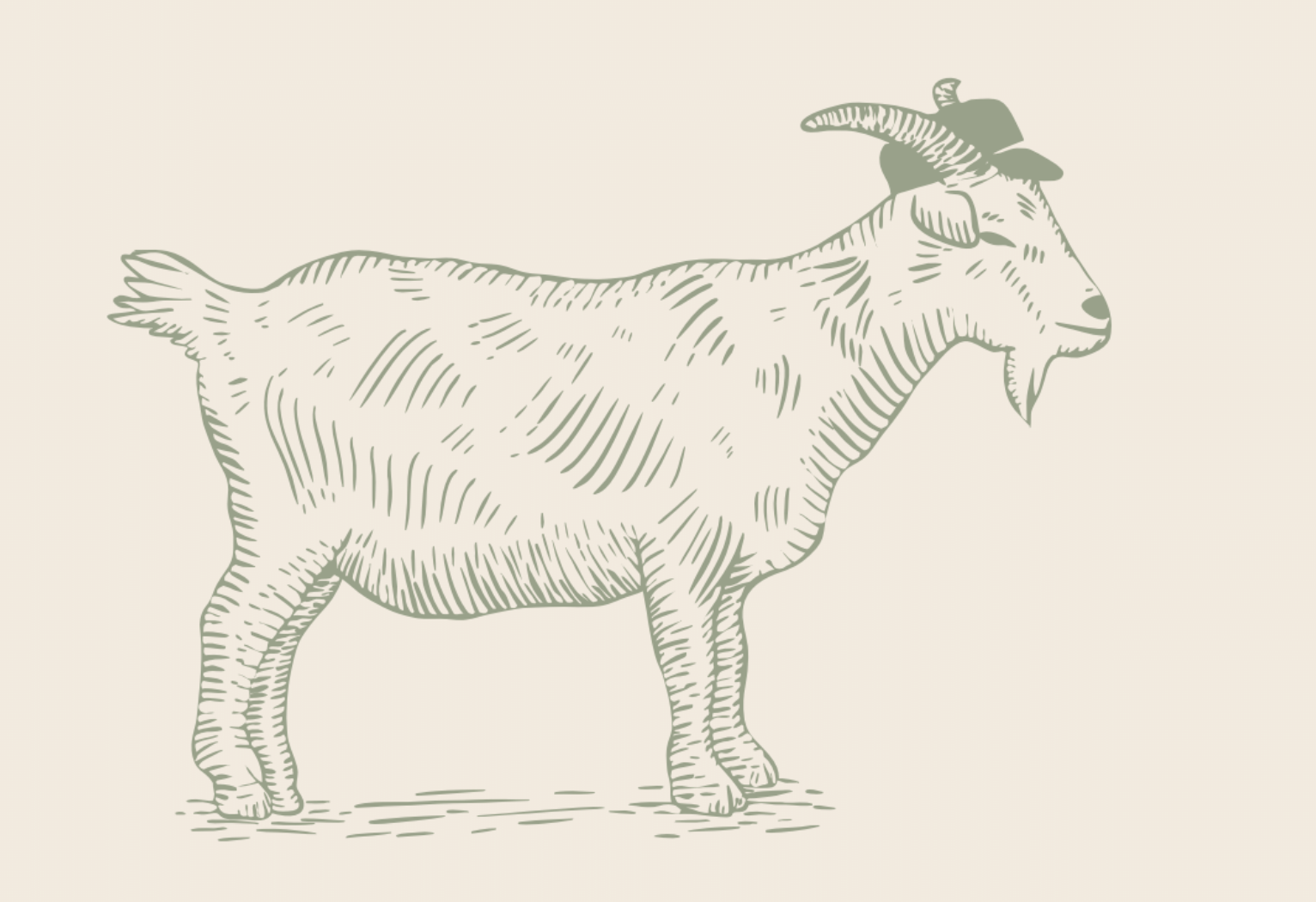
Life at the Fairfield was full of character and colour. Goats roamed freely through the yard and the railway line, often chasing newspapers thrown from passing trains or interrupting bar patrons — a playful chaos that became part of the hotel’s charm. Children and locals alike would watch and even join in the clapping as the clever goats snatched newspapers or jumped onto cars passing by. These mischievous goats and the local mail deliveries from passing trains inspired the imagery behind our new logo, a nod to this lively and unforgettable history.
From cellar adventures to cricket matches and bustling social events, the Fairfield Hotel played a central role in the life of Oonoonba for over six decades. Though the original building was replaced by the Oonoonba Hotel in 1962/63, the stories of its spirited past — and the goats that captured everyone’s imagination — live on as a treasured part of Townsville’s heritage.
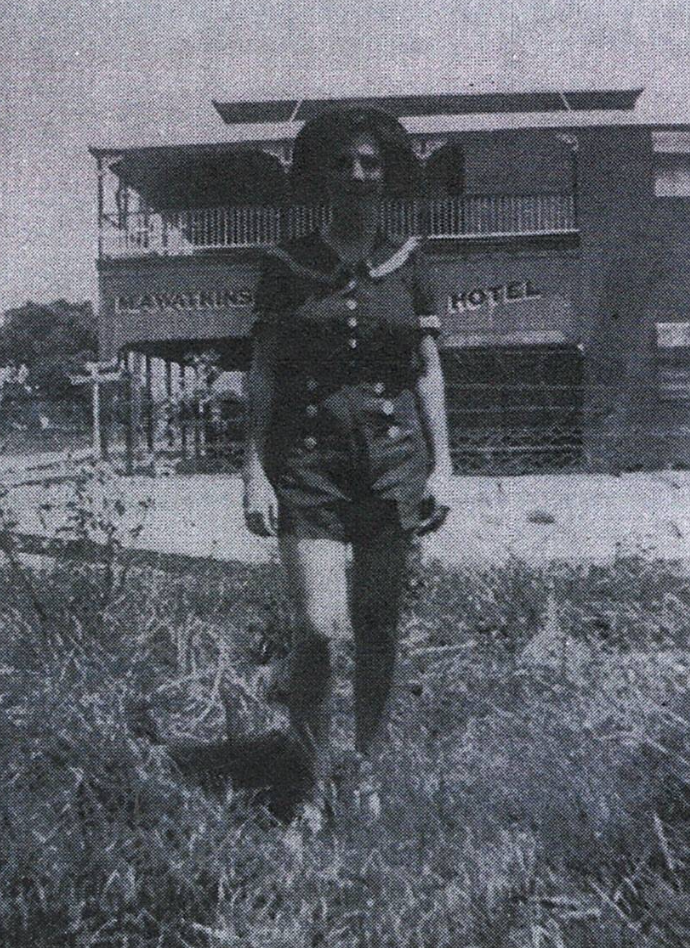
Iona Collins at Keenan Street side of Fairfield Hotel - 1942
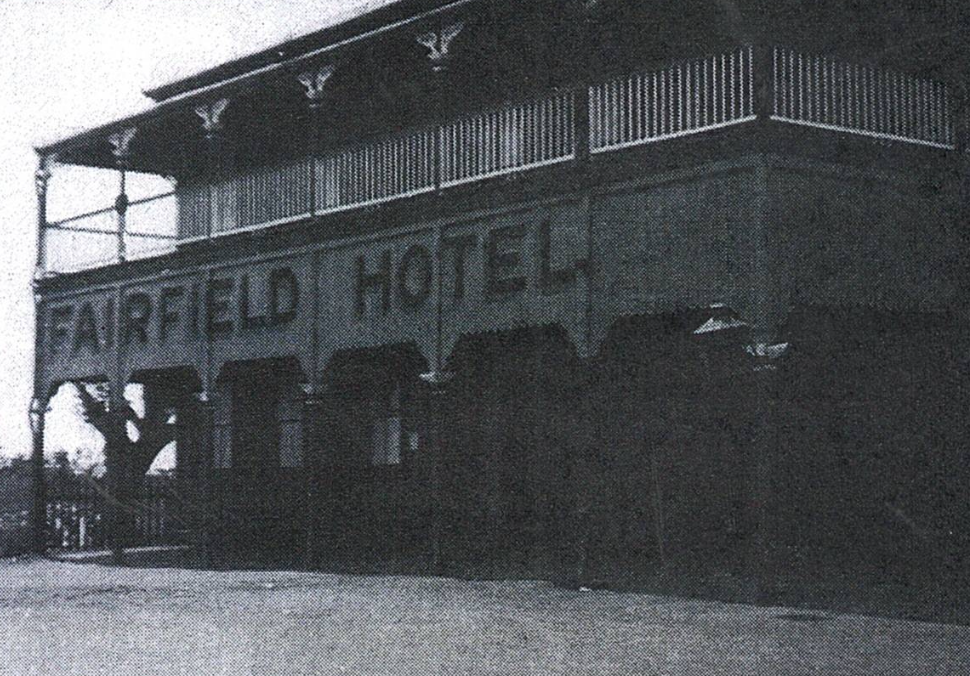
Front of the building - circa 1932
History
-
Norah GILLESPIE nee BURGER
Sometime prior to May 1926, my father became the licensee ofthe Fairfield Hotel. We left about a month before my brother Norman was born in May. I recall that before we moved, the midwife used to come, to visit Mother, riding a bicycle, and she wore button-up shoes and a peculiar cycling outfit. She buttoned the hem of her white uniform on to elastic loops which she then attached to her big white shoes. My brothers and I used to watch the elastic stretch, waiting for the buttons to fly off. I was four and a half vears old then.
The Fairfield Hotel was just across the railway line from the Oonoonba school and my older brother, Jack, who was six years old and attending the school, (Pupil No: 0197 b 8 Jan. 1918), took me
to play with the children at lunch time and whenever they had sports days or hobby days in the gardens. The girls grew flowers and the boys grew vegies and trees. They taught me to eat nut grass nuts. It was difficult for them to dig the nuts up because they went down so deeply. They'd scrape the covering off them on the concrete and we'd chew them. A wild tree the children called 'chinky or chinee apples' grew along the Ross River
banks and all the children relished them. 83
The goats that roamed freely, welcomed the arrival of trains passing through Oonoonba because the passengers from all the trains threw out rolls of southern and northern newspapers for the fettlers and linesmen to read. They had to be quick to beat the goats to them.
I recall the laundry maid at the hotel clapping her hands and chasing the goats across the railway line, with the help of Bill BATES, the yardman, because goats could stand almost erect and would pull the linen and clothes from the clothes lines and chew them. I thought they were clapping because they thought the goats were clever, so we children joined in, clapping too.
The yardman, Bill BATES, showed my brother, Jack, how he could crawl under a verandah, three steps high, at theback of the hotel, to gather up the small change that dropped through the bar room floor which had no covering and quite wide gaps between the floorboards. Threepences, sixpences, halfpennies and even the larger pennies came tumbling down. I used to sit on the steps and put it all into a cotton flour bag. We had some explaining to do when our parents discovered our cache!
We were never allowed to play alone outside the hotel yard because the land at the back was tidal. I recall walking with our parents and paddling in the safe areas, where there was a stony bottom. My father made a billy goat cart but we never got a goat to pull it because goats were forbidden in our yard, so Jack used to pull the cart, with me in it holding a supply of newspaper rolls to throw to the goats if they came too near.
They used to jump onto cars and seemed to prefer Chevrolets with running boards and canvas hoods. The bar patrons would race out, yelling and clapping hands. The upstairs verandah projected out over the footpath and the goats would wait in the cool until one of those C h e v r o l e t s p u l l e d ni a n d t h e y ' d u p o n i t ni a fl a s h .
Jack was on the upstairs verandah one day, watching the horse and dray delivering the kegs of beer and he ran down and told our father that the men with the 'big drums' smashed our footpath. Father took him outside to watch the large kegs being rolled down a wooden ramp into the cellar, below the bar. The cellar had a large wooden trapdoor across the footpath and when it opened, they had a ramp to fit the opening. The men put ropes around the kegs and rolled them slowly down the ramp.
Taking Jack with him, Father then went into the hotel and down the steps to close the footpath hatch overhead and also to check the delivered order. Jack was truly amazed, so he rushed and told Mother about the big dungeon under the hotel, then he rushed off, saying he
had to tell Norah.
He did more than that ... he took me down and showed me. The light was still on, so we explored every nook and cranny and then we saw the bottle of 'soft drink', which we didn't know was really Creme de Menthe. One sip followed another, until we both fell asleep. We survived and Mother gave us a stern lecture and forbade us from going into the cellar again. The cellar door was always closed after that. Mother told us later that all of Oonoonba was out looking for us, until someone saw the cellar door open and the light on and there lay the two little Sleeping Beauties: my first and last time as a drinker.
My brother, Tom, continued in the hotel/motel business until a few years ago. he and his wife, Irene, had a South Townsville hotel and their daughter and her husband, Dale and Graham LAW, had the Newmarket Hotel in Flinders Street, opposite the railway station.
-
Joan COSTAR
nee FRAUENFELDER . . . Pupil No: 0418 ...b 30 May 1924
My parents, Eric and Aileen FRAUENFELDER were the Fairfield Hotel licensees from 1931-April 1934. The hotel was a large double-storeyed building with many bedrooms upstairs. As I recall, apart from those used by us, the rest were vacant. They were reached by back stairs, which were closed off by a gate to prevent people getting access and also to prevent us children from coming down when the bar was crowded during daytime cricket matches or noisy evening parties.
8
Downstairs were the bars, a large lounge-cum-billiard room with a music room at the side, which opened out onto a wire enclosed area, sporting the best crop of bindi-eyes I've ever seen. Dad tried to eradicate them individually, but it was a losing battle.
Goats were a constant annoyance and we were always chasing them out and cleaning where they had been. Some managed to get under the back verandah and thumped and bumped the floor, day and night! My brother Terry recalls hitching up an old billy to a cart and going off to the meatworksevery Saturday morning to get a cart full of snow' to eke out the hotel ice supply. Electricity hadn't reached Oonoonba, so ice was essential for cooling food anddrinks.
Terry had a chore he loathed, cleaning out all the carbide lamps. The residue was collected and used to mark out the tennis courts.
At the back of the hotel was an annexe where there was the kitchen, with it's wood stove,
the store room and a very large living room.
O u r play area was way down the backyard, where two huge Moreton Bay fig trees grew. We clambered ail over the thick trunks and branches and knocked holes in the bark, to make the sap ooze, then congeal. It made a passable chewing gum and could seal holes in rainwater tanks or, fi we spread it along fences, could trapsmall birds.
Being just down the road from theOonoonba Railway Station and opposite a railway siding, we were often visited by swagmen looking for food and a billy of tea, before they went back to wait for the next goods train to stop or slow down, enabling them to scramble aboard. They went from town to town looking for work and as this was during the depression years, even the well educated were caught up in the endless search for the elusive penny.
-
In 1963, the Fairfield Hotel site was transformed with the opening of the Oonoonba Hotel, marking a new chapter for the local community. Built to replace the original early-1900s timber hotel, the Oonoonba Hotel became a social hub for locals, offering lively bars, dining, and accommodation. For decades, it was a familiar and welcoming gathering place for families, workers, and travellers in Oonoonba and surrounding suburbs, cementing its place in Townsville’s social fabric.
-
In February 2023, longtime friends Paul Fraser, a seasoned commercial real estate broker, and Michael Weekes, a luxury home builder, purchased The Fairfield (formerly the Oonoonba Hotel) for $7 million — their first venture into the hotel industry.
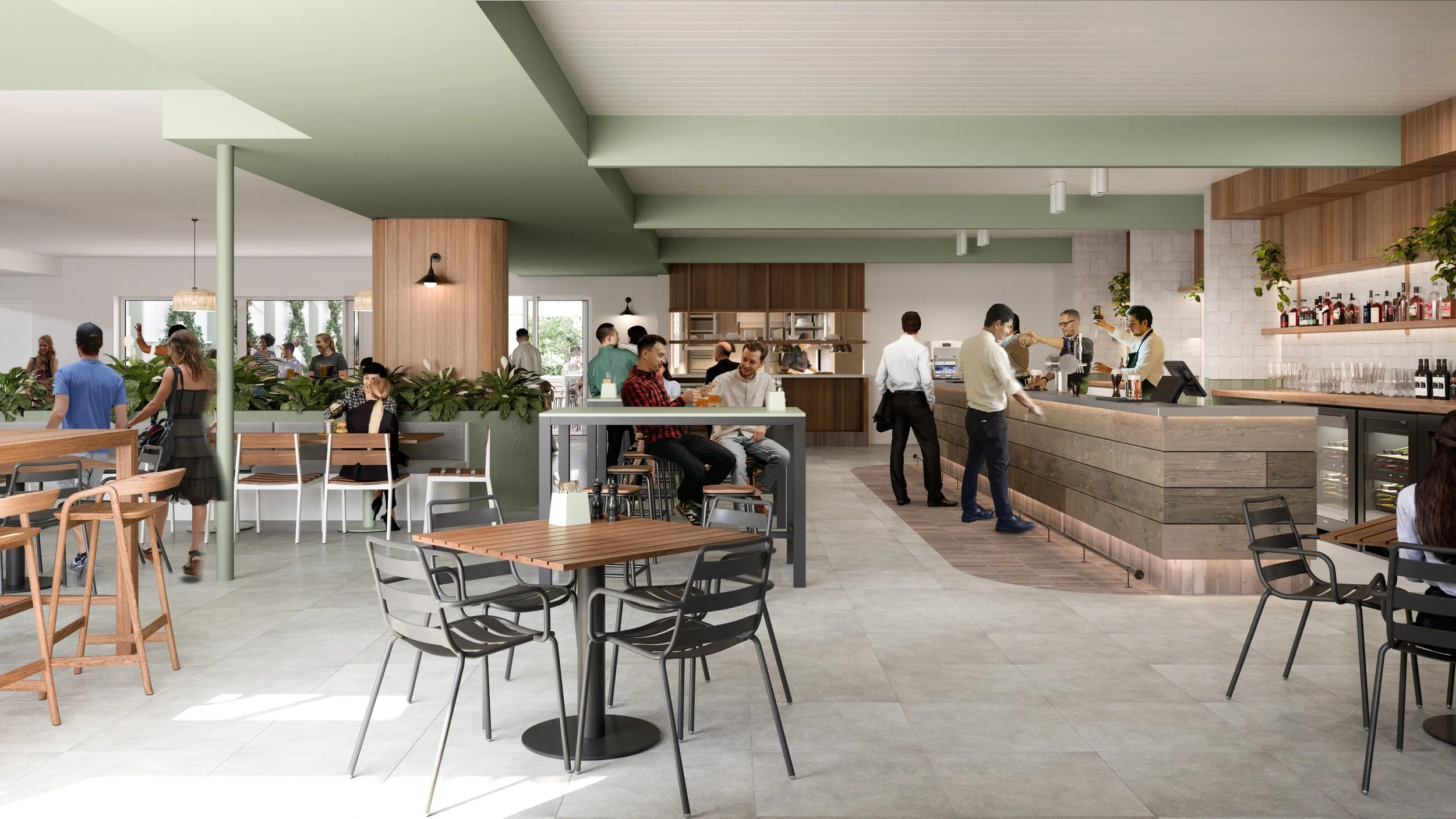
Mindful of the pub’s long-standing role in the local community, Mr Fraser and Mr Weekes set out to honour its heritage while updating the venue to appeal to a broader audience. With a focus on families and locals alike, renovations are transforming parts of the former motel and pub into a vibrant new beer garden and bistro.
“This pub has traditionally only looked after the locals of Oonoonba,” Mr Fraser says. “With this renovation, we can cater to a wider community, providing a quality, independent, locally-run venue that the area has been missing.”
The Fairfield now blends its rich history with contemporary offerings — from modern dining and gaming facilities to a welcoming family-friendly atmosphere — creating a place where the community can gather, relax, and celebrate for years to come.
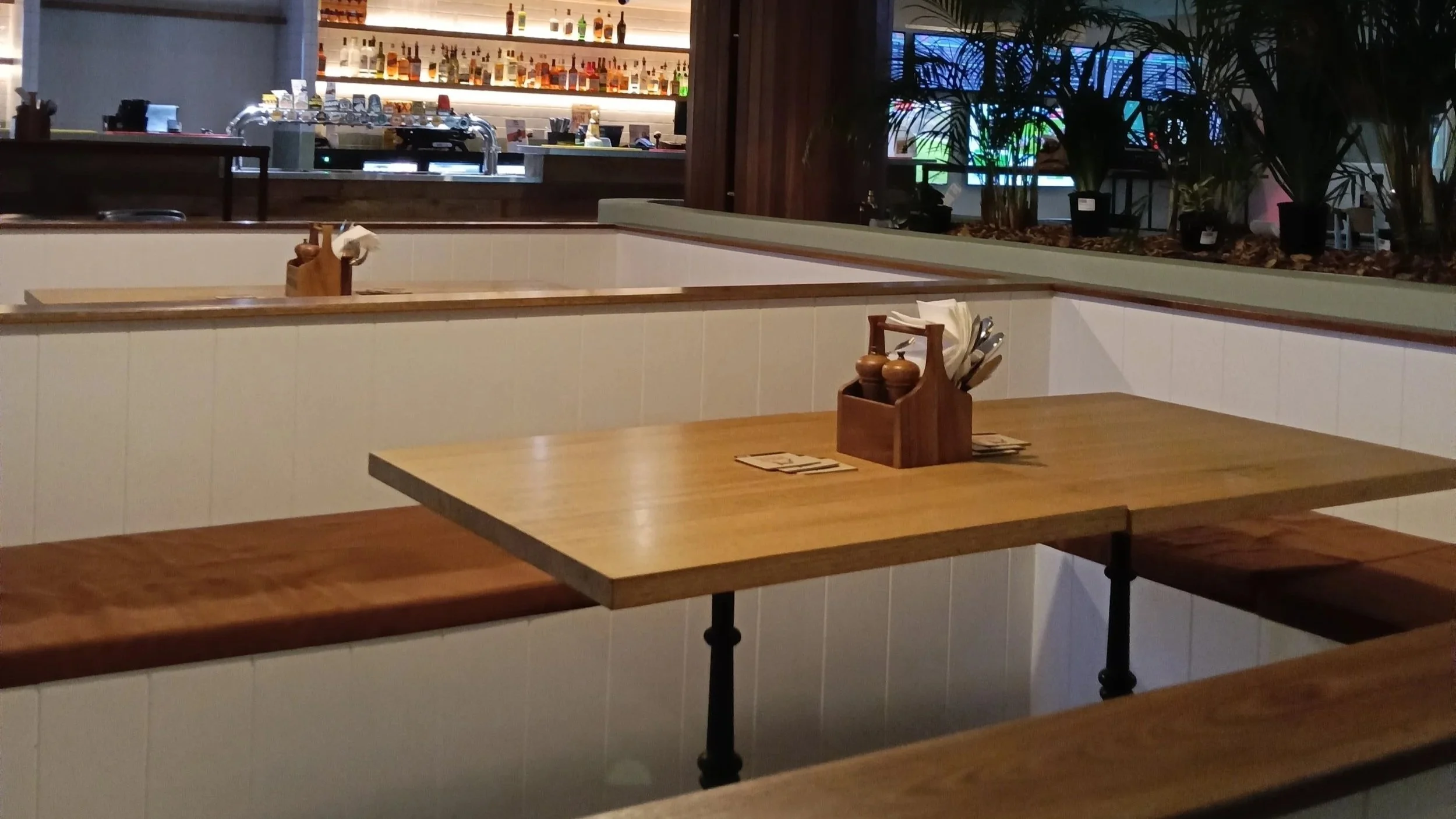
Book A Table Today!
Whether it’s a casual lunch, family dinner, or catch-up with friends, we’d love to have you at Fairfield Townsville. Reserve your table to enjoy great food, friendly service, and a relaxed atmosphere.
Bookings are recommended — especially for dinner and weekends.